WRITTEN BY
Chris Kane
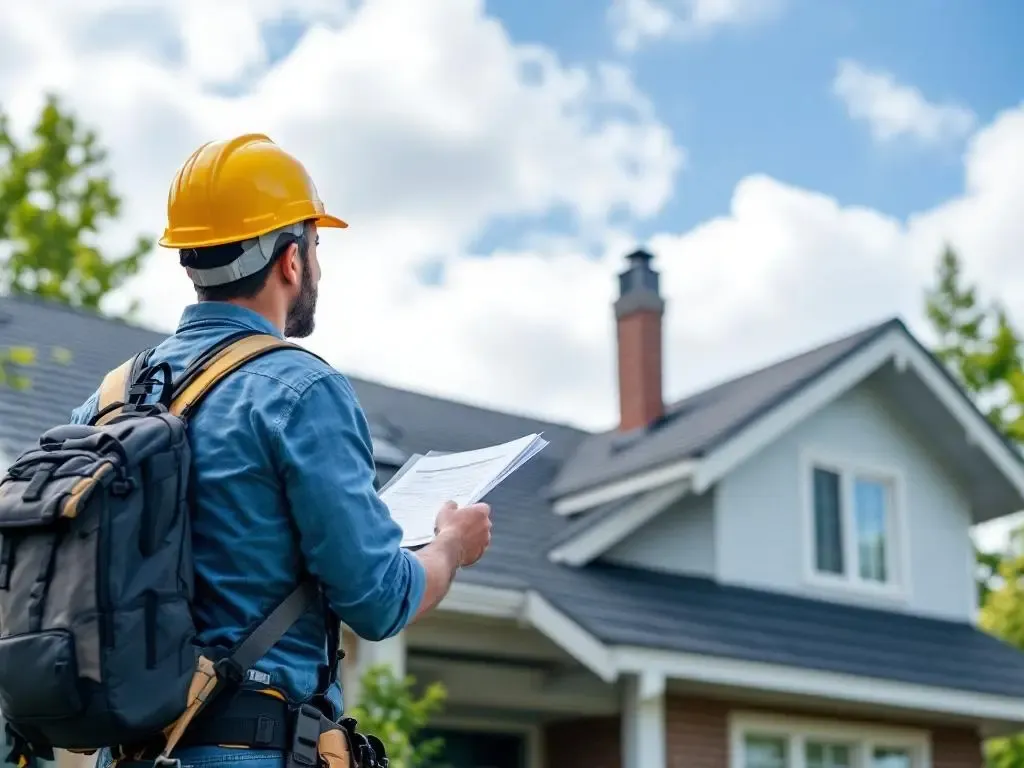

When it’s time for a roof repair or replacement, one of the first steps is getting a professional estimate. Whether you’re a homeowner dealing with storm damage or a property manager looking to upgrade a commercial roof, understanding what to expect from a roofing estimate can help you make informed decisions.
This guide breaks down everything included in a reliable estimate, how Denver roofing companies typically approach the process, and what red flags to watch out for.
Roofing projects, whether repair, replacement, or installation, are significant investments. A detailed and transparent estimate not only helps you budget appropriately but also provides insight into how a contractor operates.
Here in Denver, roof estimates are significant because of the region’s unique weather conditions. Hailstorms, heavy snow, and high UV exposure all affect roofing materials and labor requirements. Local expertise matters, and so does a clear proposal that reflects those local factors.
If you’ve never had a roofing estimate before, here’s a general idea of how it goes with reputable Denver roofers:
Once you reach out by phone, through our website form, or via a referral, a representative will schedule a time to visit your property. Most roofing companies offer this inspection at no cost and without obligation.
A professional roofer will arrive to assess the condition of your roof. They may look for:
Drones or infrared cameras may be used to capture images in hard-to-see areas, especially on larger commercial buildings.
Accurate measurements are essential for determining material requirements. Roofers may use tape measures, apps like RoofSnap, or satellite imagery to assess roof area, pitch, and complexity. Expect them to take photos for documentation.
You’ll likely be asked about:
This helps the contractor tailor the estimate to your goals.
A trustworthy Denver roofing estimate should be more than just a number on a sticky note. It should be a written document or digital file that includes:
This section describes the work that will be done, whether it involves a full replacement, partial repair, or complete new installation. It may include tasks like:
Expect to see specific roofing materials listed, including:
This is crucial for comparing bids. Vague terms like “high-quality materials” can be a red flag.
This refers to the labor cost for the roofing crew. While exact breakdowns may vary, it should be clear how labor is factored into the total.
Look for:
In Denver, roofing timelines can be affected by seasonal storms or freeze-thaw cycles. Experienced companies will explain these variables upfront.
A professional estimate should indicate whether permit fees and inspection scheduling are included. In Denver, permits are required for most roofing jobs, and the city’s building department often inspects work mid- and post-project.
A strong estimate outlines warranty coverage for both materials and labor. There are typically two types:
Ask how long each lasts and what’s required to maintain them.
The estimate should outline how debris, old roofing material, and nails will be removed and disposed of. This is especially important in residential neighborhoods with kids or pets.
A clear breakdown of:
Avoid contractors who ask for the full amount upfront.
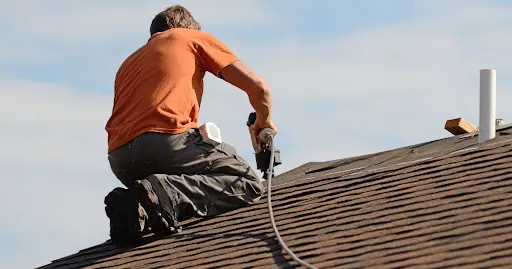
Many Denver homeowners rely on insurance to cover hail or wind damage to their roofs. A quality roofer will be familiar with insurance processes and can:
While they can guide you, beware of any roofer who says they’ll “waive your deductible”—this is against Colorado law and could put your claim at risk.
Not every roofer plays by the same rules. When reviewing estimates, be cautious of:
They may cut corners on materials or labor.
You should know what you’re paying for.
Reputable companies give you time to review.
Trust local Denver roofing companies with proven track records.
Get everything in writing.
Before moving forward, it’s smart to clarify a few things:
Reliable contractors are happy to answer these.
Most Denver roofing companies deliver an estimate within 24–72 hours after the inspection. For large or complex jobs, completion may take a bit longer. If a week goes by and you’ve heard nothing, that may be a sign to look elsewhere.
Choosing a locally based company like 303 Roofer has its advantages:
Denver has unique permitting and code enforcement.
From hail to heavy snow loads.
Local roofers rely on their reputation and community presence to maintain their credibility.
Faster response times for material delivery or warranty claims.
303 Roofer provides detailed, no-pressure estimates backed by years of experience in the Denver metro area.
The best roofing estimate isn’t just the cheapest, it’s the one that helps you feel confident about the company, the materials, and the final result.
By knowing what to expect from a professional estimate and how Denver roofing companies operate, you can move forward with clarity and peace of mind.
Whether you’re replacing an aging roof or dealing with storm damage, a professional estimate from a trusted local company makes all the difference. At 303 Roofer, we take pride in our transparency, expertise, and customer care from the very first call.
Call now or visit https://303roofer.com to book your roofing estimate in Denver.


Although it is often overlooked, your roof is one of the most important parts of your home. It plays...