WRITTEN BY
Chris Kane
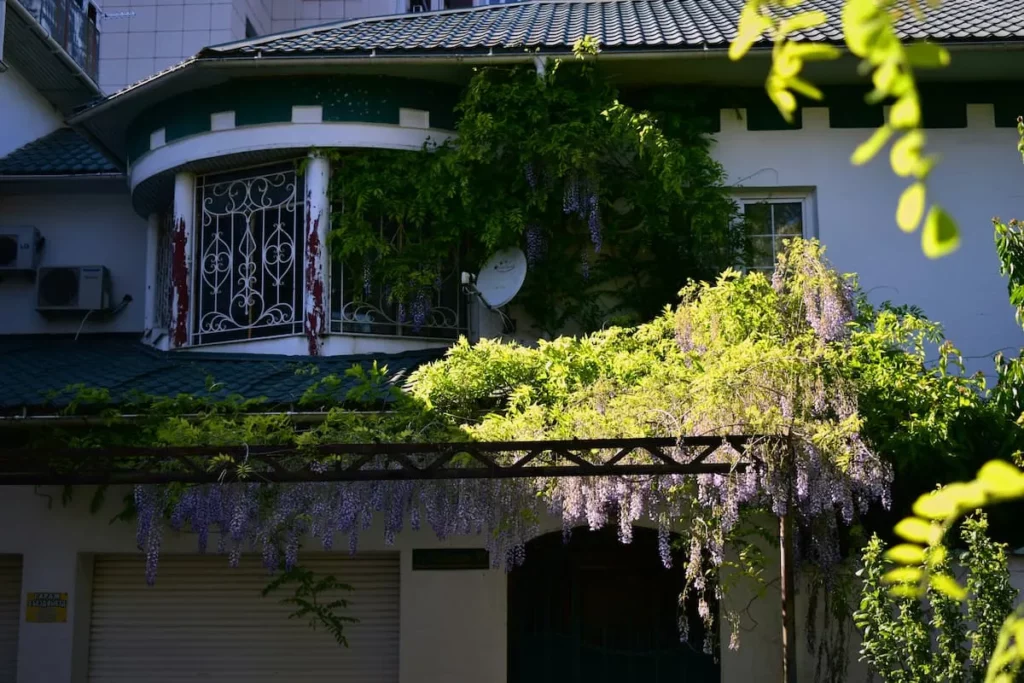

The demand for sustainable building materials has grown dramatically. Today, eco-friendly roofing has become a critical aspect of green construction. Environmentally friendly roofs reduce energy consumption, lower carbon footprints, and improve resource efficiency.
In this article, we will discuss various types of eco-friendly roofing, including their benefits, limitations, and factors that determine the most sustainable choice.

Eco-friendly roofing materials are designed to minimize environmental impact across their life cycles.
Here are the top benefits of these materials:
Metal roofing stands out as one of the most durable and sustainable roofing options. It is made from materials such as steel, aluminum, and copper. Note that metal roofs reflect sunlight, reducing cooling costs by 25% in hot climates.
Major benefits of metal roofing:
Limitations of metal roofing:
| Metric | Value |
| Lifespan | 50–70 years |
| Cooling cost reduction | Up to 25% |
| Recycled content | 25–95% |
| End-of-life recyclability | 100% |
Recycled shingles are made from post-consumer waste such as plastic, wood fiber, and rubber. They mimic the look of wood shakes, slate, and asphalt shingles while being more sustainable. Repurposing waste materials prevents significant landfill pollution.
Major benefits of recycled shingles:
The limitations of recycled shingles include:
| Metric | Value |
| Lifespan | Up to 50 years |
| Waste Diverted | Significant |
| Average Cost | Affordable |
Solar tiles combine roofing material with photovoltaic (PV) technology, generating electricity while serving as a protective roof covering. They are particularly effective in sunny regions and can provide long-term energy savings.
Major benefits of solar tiles:
Limitations of solar tiles:
| Feature | Value |
| Energy generated | Up to 85% of energy needs |
| Average lifespan | 25–30 years |
| Installation cost | $20,000–$30,000 |
| Carbon footprint reduction | Significant |
Clay and concrete tiles are natural and durable materials that excel in hot climates. Their insulating properties reduce the need for air conditioning, keeping homes cooler.
Major benefits of clay and concrete tiles:
Limitations of clay and concrete tiles:
| Metric | Value |
| Lifespan | 100+ years |
| Energy savings | Reduces cooling needs |
| Material | 100% recyclable |
Green roofs (i.e., living roofs) are covered with vegetation planted over a waterproof layer. They are especially beneficial in urban areas as they improve air quality, absorb rainwater, and reduce the urban heat island effect.
Major benefits of green roofs:
Limitations of green roofs:
| Benefit | Improvement Value |
| Reduction in stormwater runoff | 50–80% |
| Temperature regulation | 5–10°C cooler roof surface |
| Urban heat reduction | Significant |
| Roof lifespan extension | Doubles roof durability |
EPDM rubber roofing is recognized for its environmental sustainability. According to the U.S. Environmental Protection Agency (EPA), EPDM has the lowest impact on smog, acid rain, and global warming.
Main advantages of EPDM roofing:
The choice of the most eco-friendly roofing material depends on:
Eco-friendly roofing materials such as metal roofing, recycled shingles, and green roofs provide significant environmental benefits, including energy efficiency, recyclability, and durability. Each material has specific pros and cons, making them suitable for different climates and budgets.
By choosing sustainable roofing, homeowners can reduce energy costs, minimize environmental impact, and invest in long-lasting solutions for a greener future.
At 3O3 Roofer, we understand the many choices of selecting the perfect environmentally friendly roof for your home. Our team of experts is here to help you navigate these choices with confidence. We offer free consultations and roof evaluations to provide personalized recommendations tailored to your home’s specific needs and market conditions.
Take the next step toward improving your home’s appeal and value. Contact us today for a free consultation and roof evaluation. Let 3O3 Roofer guide you through the process and ensure your home stands out in Denver’s competitive real estate market. We look forward to helping you achieve a more beautiful and valuable home.


Although it is often overlooked, your roof is one of the most important parts of your home. It plays...