WRITTEN BY
Chris Kane
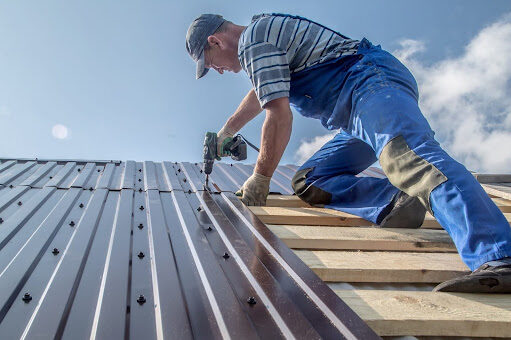

Colorado’s weather is known for its extremes: scorching sun, heavy snow, high winds, and sudden hailstorms. Whether you’re a homeowner or property manager, choosing the right roofing material is crucial for long-term protection and value. At 303 Roofer, we’re often asked whether asphalt or metal roofing is better for properties in Denver.
This guide will explore the pros and cons of asphalt vs. metal roofing, explicitly tailored to Colorado’s climate. We’ll cover cost, durability, energy efficiency, aesthetics, and more, so you can make an informed decision with the help of trusted Denver roofers.
Asphalt shingles remain one of the most affordable roofing materials. Installation costs are lower due to the material’s availability and the ease of handling. This makes it an excellent option for budget-conscious homeowners.
Asphalt shingles come in a wide variety of colors and architectural styles. You can find designs that mimic slate, wood shakes, or tile at a fraction of the cost.
Because asphalt shingles are so widely used, replacement materials and repair labor are readily available. Most Denver roofing companies are well-versed in asphalt repair.
Modern asphalt shingles are engineered to withstand wind and hail, especially impact-rated (Class 4) shingles designed for Colorado’s frequent hailstorms.
A typical asphalt shingle roof can be installed in a few days, depending on the roof size and slope.
While some high-end asphalt shingles can last up to 30 years, most standard shingles need replacing after 15-25 years, especially in a climate like Denver’s that includes UV exposure and freeze-thaw cycles.
Even impact-rated shingles can suffer under Colorado’s larger hailstones or high wind events, common in spring and summer.
Asphalt shingles tend to absorb heat, which can increase cooling costs in warmer months unless a reflective coating or underlayment is used.
Asphalt shingles are petroleum-based and not easily recyclable. Millions of tons end up in U.S. landfills each year, according to the Environmental Protection Agency.
Metal roofs can last 40 to 70 years with proper maintenance and care. Their resistance to fire, rot, mildew, and pests makes them ideal for long-term performance in Colorado’s climate.
Most metal roofing systems are rated for high-impact resistance and wind speeds up to 140 mph. That’s a significant advantage in storm-prone regions like Denver.
Metal roofs reflect solar heat, which helps reduce summer cooling costs. According to the U.S. Department of Energy, metal roofing can reduce energy consumption by up to 25%.
Metal panels are lighter than asphalt, reducing structural stress. Maintenance needs are minimal, typically limited to periodic inspections and the removal of debris.
Many metal roofing systems are made from recycled content and are fully recyclable at the end of their lifespan.
Metal roofing can cost two to three times more than asphalt initially. While this pays off over time, the upfront investment can be a hurdle for some property owners.
Without proper insulation or underlayment, metal roofs can be noisier than asphalt during heavy rain or hail, though many homeowners find the sound soothing.
Metal expands and contracts with temperature changes. This can cause fasteners to loosen over time if not installed correctly, highlighting the importance of hiring experienced Denver roofing contractors.
While metal roofs offer modern aesthetic appeal, their painted finishes can fade after years of UV exposure, particularly if low-quality coatings are used.
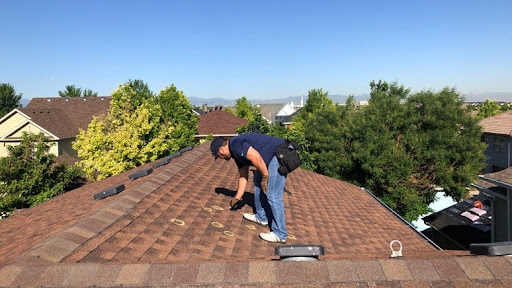
| Feature | Asphalt Roofing | Metal Roofing |
| Average Lifespan | 15–30 years | 40–70 years |
| Upfront Cost | $ | $$$ |
| Maintenance | Moderate | Low |
| Hail Resistance | Moderate | High |
| Wind Resistance | Good | Excellent |
| Energy Efficiency | Low–Moderate | High |
| Sustainability | Low | High |
| Curb Appeal | Traditional | Modern |
Denver and the Front Range experience over 300 days of sunshine a year, but also intense UV radiation, snow accumulation, and spring hailstorms. Here’s how that affects roofing materials:
Metal roofing reflects sunlight more effectively, which may enhance cooling efficiency. Asphalt tends to degrade faster under UV exposure.
Both roofing types can handle snow, but metal roofs shed snow more quickly, thereby reducing the risk of ice dams.
While some asphalt shingles are rated for impact resistance, metal offers greater long-term protection.
Metal’s expansion and contraction require expert installation. Asphalt is more flexible but may deteriorate with repeated freeze-thaw cycles.
While actual roofing prices depend on roof complexity, square footage, and materials, here are some general Denver-area estimates:
$6,000 – $12,000 for an average home (~1,500–2,000 sq ft)
$15,000 – $30,000 for the same size home
These prices can vary depending on labor rates, roof pitch, removal of old roofing, and underlayment upgrades.
When evaluating Denver roofing materials, here are the key questions to ask:
If it’s a long-term investment, the durability of metal may be worth the cost.
Metal provides superior protection for properties in areas prone to storms.
Asphalt offers a more affordable solution upfront, with solid performance when properly maintained.
Metal is the better choice for eco-conscious and energy-efficient homeowners.
For commercial properties, multi-family units, or modern homes, metal can offer a better long-term value. For those seeking traditional aesthetics or short-to mid-term ownership, asphalt may be the practical choice.
Many Denver-area homeowners’ associations (HOAs) have guidelines for acceptable roofing materials and colors. Always check your local municipality and HOA rules before deciding. In some cases, metal roofing may require approval due to reflectivity or aesthetics.
303 Roofer is experienced with Denver roofing compliance requirements and can help ensure your roof upgrade meets all local codes.
“After hail damaged my roof in Littleton, I went with metal based on 303 Roofer’s advice. Three years later, I haven’t had a single issue even after another storm.”
– Amanda P., Denver, CO
“I was on a tight budget, so 303 Roofer installed Class 4 asphalt shingles. They handled the insurance process and did excellent work.”
– Carlos G., Aurora, CO
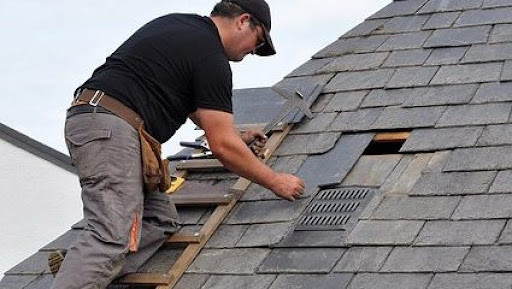
Choosing between asphalt and metal roofing isn’t one-size-fits-all. It comes down to your goals, budget, and how long you plan to stay in your home. With Colorado’s harsh climate, making the right decision can save you thousands over the roof’s lifespan.
Need help deciding on the best roof for your Colorado home or business? Whether you’re leaning toward traditional asphalt or long-lasting metal, 303 Roofer brings the expertise, local insight, and certified craftsmanship you need to make the right decision.
We’ve served homeowners and businesses across the Denver metro with honest advice, quality materials, and exceptional service.
Contact us today at https://303roofer.com for a free roof inspection or estimate.


Although it is often overlooked, your roof is one of the most important parts of your home. It plays...