WRITTEN BY
Chris Kane
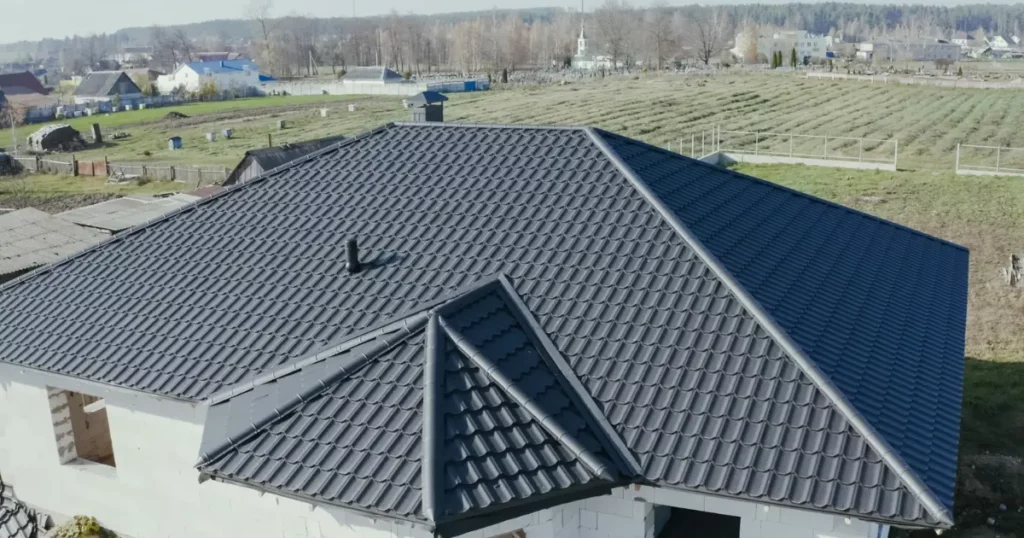

Denver has crazy weather. One day, it’s sunshine, the next, it’s hail, gale-force winds, or a winter blizzard. These abrupt and even violent weather shifts can affect your roof immediately , or you may not notice it.
As one of the best Denver roofing companies, we have seen it all: ripped shingles, leaks, torn flashing, and problems that homeowners discover only when it is too late. This guide outlines the most common signs of roof damage after a storm in Denver and what steps to take next.
Whether you own a home in Capitol Hill or a business in LoDo, searching for early warning signs of storm damage will save you time, money, and stress.
Denver’s one-of-a-kind climate presents a few risks to roofing systems:
This explains why routine Denver roof inspections are necessary and not a luxury.
After a storm, damaged shingles are one of the easiest signs to spot. Look for:
Why it matters: Damaged shingles reduce a roof’s ability to repel water, which causes leaks and deterioration of the structure.
Tip: If you see granules in your gutters or downspouts, that’s a bad sign.
Water intrusion doesn’t always show up right away. Sometimes it takes days or weeks for the signs to appear. After a storm, check your attic and interior ceilings for:
Why it matters: Small leaks can become much more widespread if another storm comes before repairs are made.
According to the Insurance Information Institute, water damage from leaks accounts for almost one in four homeowners’ insurance claims in storm-prone areas.
Flashing is the metal (often aluminum or galvanized steel) that seals joints and prevents water from penetrating vulnerable areas like:
High winds can lift flashing, or hail can dent it, compromising its seal.
Check for loose or twisted metal around these areas. Water can easily seep beneath the roof surface if flashing is missing or broken.
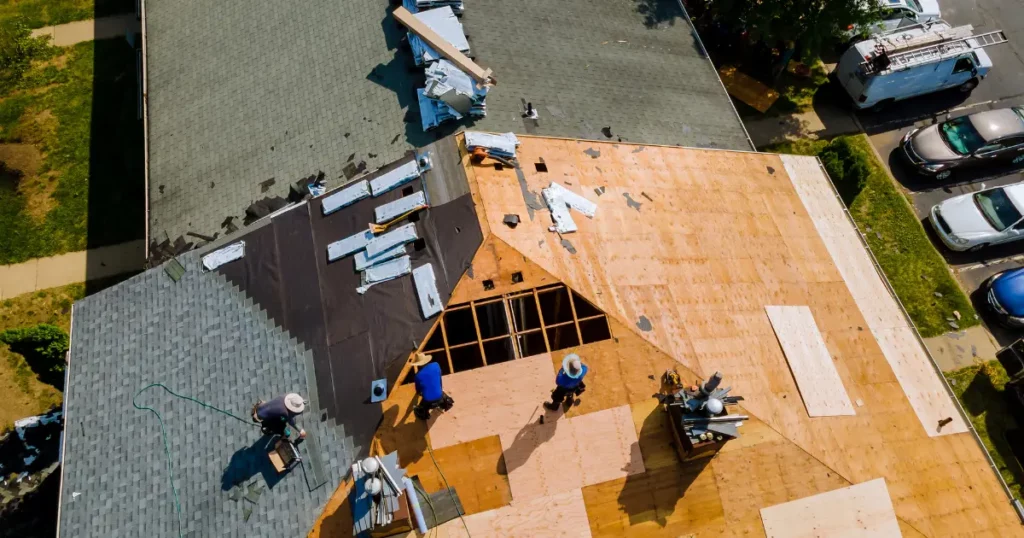
Denver storms often bring wind-driven debris, clogging your gutter system and affecting water flow.
Signs to look for:
Why it matters: Good drainage prevents water from backing up under the roofing or pooling around your foundation, which can cause more significant structural problems.
After a hailstorm, check metal surfaces like:
Small dents may seem cosmetic, but they often indicate an impact strong enough to damage the shingles or underlayment.
Use a flashlight and look at these components from an angle; it makes dents more visible.
Storms can leave branches, twigs, and even big limbs on your roof. Although this sounds like a cleanup issue, it can be more serious.
Watch for:
Never walk on your roof to remove debris—call a professional Denver roofer instead.
Denver’s notorious temperature swings and roof leaks make for an environment where mold or algae can flourish. Look for:
Why it matters: Mold indicates that moisture has gotten inside the house and can also affect air quality in the home, creating health problems for anyone who breathes it, including children and senior citizens.
Roof damage could hamper your home’s insulation and ventilation, making keeping a stable heat indoors challenging.
If your energy bills have spiked following a storm, it could be due to:
Even small gaps in your roofing system can impact energy efficiency.
A well-maintained roof should have a clean, straight line. Sagging indicates:
If your roofline looks wavy, uneven, or drooping, call a roofing contractor immediately for an inspection.
If your neighbors get roof repairs after a storm, your home may also be at risk, even if you don’t see immediate signs.
Storms don’t damage roofs uniformly. One block can be hit hard while another sees less impact. It’s worth getting an inspection just in case.
If you notice any of the above signs after a storm, here’s what you should do:
At 303 Roofer, we understand Denver’s storms’ impact on residential and commercial roofing. Our team offers:
We don’t believe in high-pressure sales; we make informed decisions based on clear assessments.
Serving Homeowners And Businesses Throughout Denver and the surrounding areas for years has made us one of the most respected names in Denver roofing.
At first glance, storm damage might be hard to detect, but if not properly addressed, it can cause expensive repairs or even complete roof replacement; even minor issues may become serious over time.
If you’ve recently had hail, high winds, or heavy snow, it’s smart to act now. 3) Have 303 Roofer do an inspection, at no obligation, so that you can protect your home or commercial property.
Visit https://303roofer.com or call us today. Our team of trusted Denver roofers is here to help you assess, repair, and secure your roof before the next storm rolls in.


Although it is often overlooked, your roof is one of the most important parts of your home. It plays...