WRITTEN BY
Chris Kane
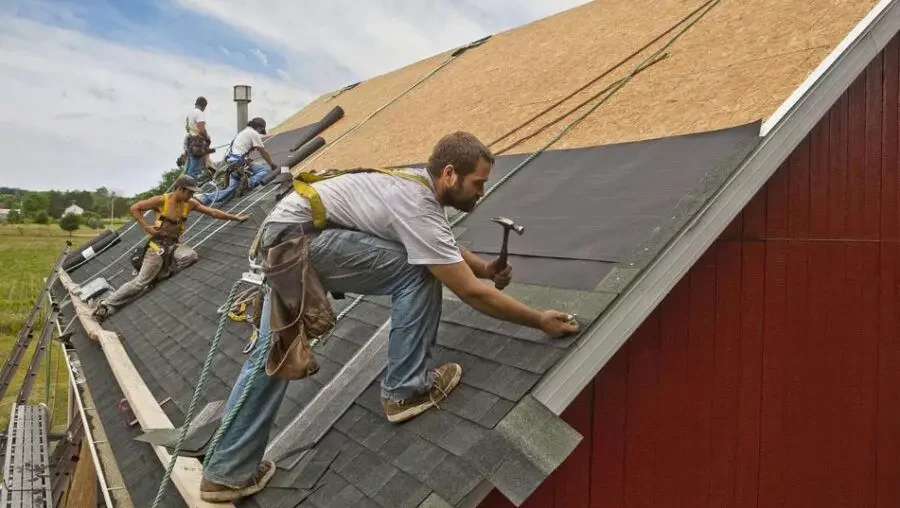

If you’re a homeowner in Denver, Colorado, you’ve likely asked yourself: “Will my insurance cover this roof repair?” It’s a practical concern, especially given the area’s frequent hailstorms, heavy snow, and sun exposure. At 303 Roofer, we often help clients navigate insurance claims for roof repairs, and this guide will walk you through everything you need to know.
From understanding policy types to knowing when coverage applies, this article will help you make informed decisions and take the proper steps when roof damage occurs.
Most standard homeowners’ insurance policies cover damage to your roof under the dwelling coverage section. However, the specifics depend on the type of policy you have:
Cover all risks except those specifically excluded.
More comprehensive, covering both dwelling and personal property on an open-perils basis.
Often used for older homes and may have limited coverage.
Always check your declarations page and the exclusions section. These will outline what’s covered and what isn’t.
Generally, insurance will cover roof repair when a sudden and accidental event causes the damage. This includes:
This is common in Colorado and a frequent cause of roof claims.
Torn-off shingles or fallen tree limbs from strong winds.
If they cause leaks or structural damage.
Any roof damage caused by fire or smoke is typically covered.
Like a neighbor’s tree falling on your roof during a storm.
If the cause is beyond your control and not excluded by your policy, there’s a good chance the repair is covered.
Homeowners’ insurance generally does not cover:
Old roofs are nearing the end of their life span.
Failing to maintain your roof properly (e.g., ignoring minor leaks).
Mistakes made by previous roofing contractors.
Some policies limit or exclude coverage for wood shake or certain metal roofs.
Usually requires separate coverage.
If your roof is more than 20 years old, insurers may only reimburse the depreciated value, not the full replacement cost.
According to the Rocky Mountain Insurance Information Association, Colorado ranks among the top states for hail claims each year. The Denver area sees dozens of severe weather events annually, including:
Causing billions in damage.
Leading to leaks, ice dams, and collapsed gutters.
Accelerates shingle degradation.
As local Denver roofers, we see an uptick in claims each spring and summer. Insurers are familiar with these hazards, but that doesn’t mean every claim is approved. Proper documentation and timely action are key.
Here’s a general step-by-step process:
After a storm, look for missing shingles, water spots on ceilings, or debris on the roof.
Take clear, date-stamped photos of all damage.
Schedule an inspection to assess whether damage warrants a claim.
File the claim and schedule an adjuster visit.
A roofing contractor can be present to advocate on your behalf.
Understand what’s covered, what’s depreciated, and what’s not.
Choose a licensed contractor to begin work.
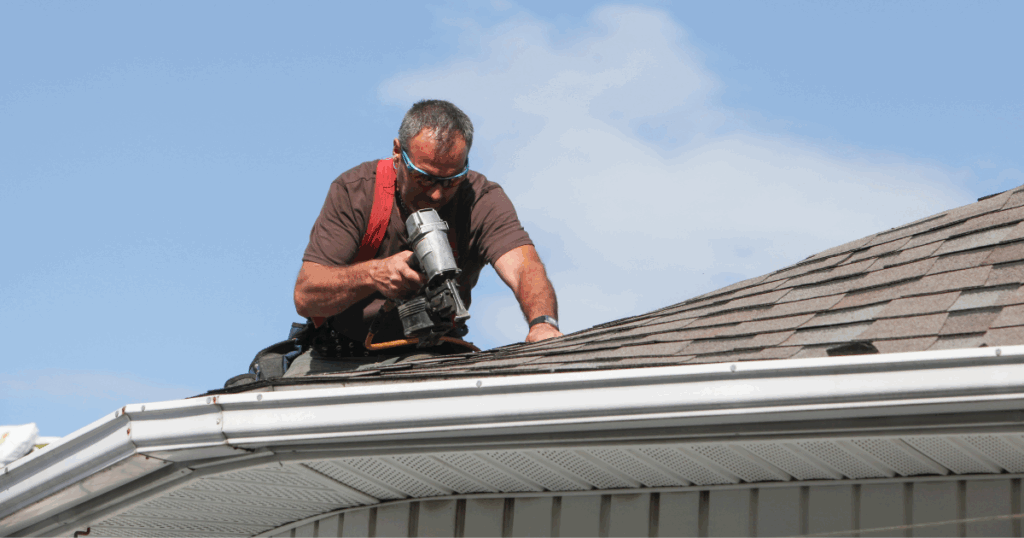
Having a trusted local contractor like 303 Roofer can make or break your insurance claim. Here’s why:
We understand how adjusters evaluate claims and can provide proper documentation.
We’re based in Denver so that we can assess damage quickly after a storm.
We use industry-standard software like Xactimate to match insurer expectations.
We help you determine the best route based on cost, coverage, and roof condition.
Always work with licensed, bonded, and insured Denver roofing companies to avoid issues down the line.
A qualified roofing inspection includes:
If damage is found, your roofer can create a detailed inspection report and work with your insurer to validate the claim.
Did you know? Studies from the National Roofing Contractors Association (NRCA) show that early detection and repair of minor roof issues can reduce repair costs by up to 50%.
Your insurance may cover a complete roof replacement if:
Otherwise, insurance may approve only partial repairs. This is why it’s essential to understand the scope of damage and why having a reputable contractor guide you through it is helpful.
Here’s how to increase the likelihood of a successful claim:
Also, don’t forget to check for coverage of code upgrades and deductibles. Some insurers offer endorsement add-ons that can be helpful for Denver homes built before 2000.
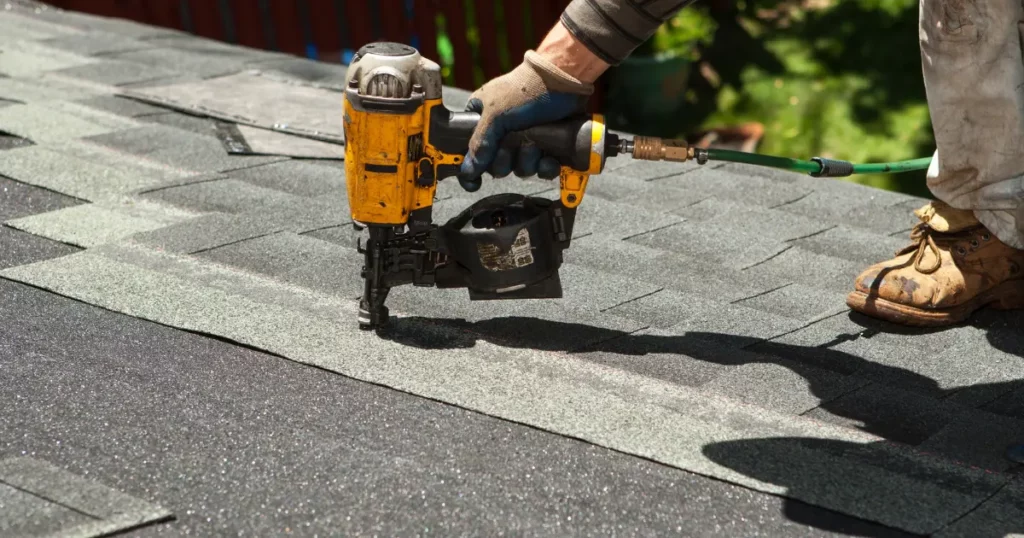
Whether or not homeowners’ insurance covers your roof repair depends on many factors, such as your policy, the age of your roof, and the nature of the damage. But one thing is sure: having an experienced Denver roofing company on your side makes a huge difference.
At 303 Roofer, we’ve helped hundreds of Denver homeowners navigate insurance claims, repair storm damage, and extend the life of their roofs. From initial inspection to final nail, we’re here to make the process smooth and stress-free.
Ready to schedule an inspection or need help filing a claim? Visit https://303roofer.com today to connect with our team of local experts.


Although it is often overlooked, your roof is one of the most important parts of your home. It plays...