WRITTEN BY
Chris Kane
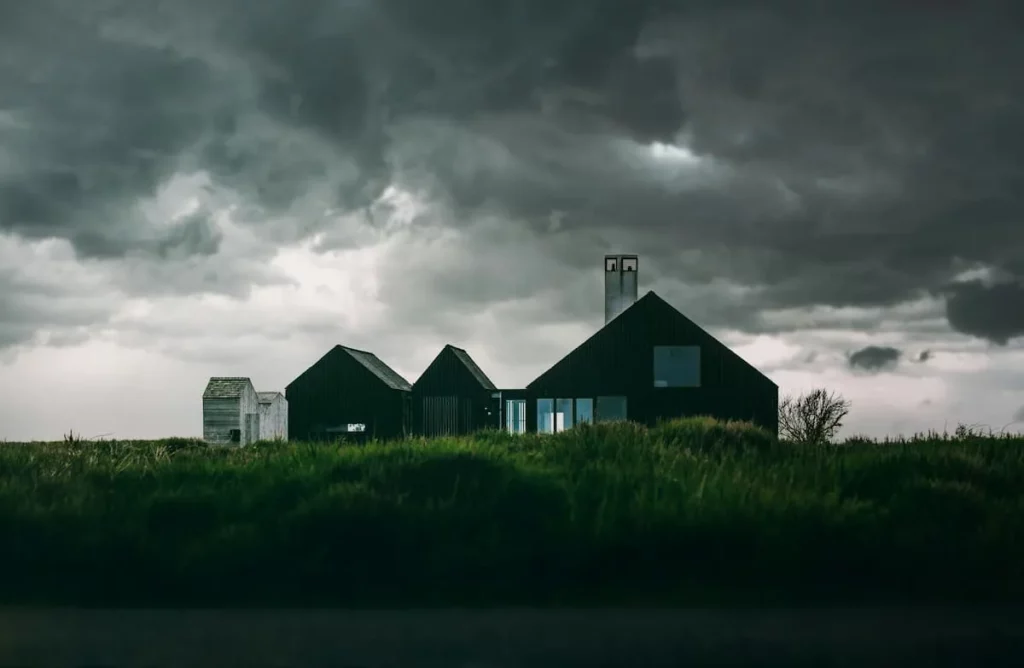

The roof of your house can be quite vulnerable to bad weather. Unfortunately, this can be financially costly and may put your family in danger. Therefore, it is indispensable to take proactive measures to reduce the risks that are caused by wind, rain, hail, and debris.
In this article, we will cover 7 effective strategies that homeowners can implement to fortify their roofs before the storm season arrives.
Routine inspections are the first line of defense against storm damage. A professional roofing contractor can identify and fix problems such as missing shingles, cracks, and loose flashing. These problems can quickly be exacerbated during storms.
According to the National Roofing Contractors Association, older roofs are more susceptible to storm-related damage and should be inspected at least once or twice annually.
During an inspection, a professional will do the following:
If you want to do a quick inspection, you can perform visual checks for signs of wear and tear, such as curling shingles, and water stains on ceilings. However, you still need a professional for a thorough assessment.
Overhanging tree branches can cause significant damage during high winds. Tree limbs can scrape, loosen shingles, or break off entirely. This creates openings for rain and debris to enter. As a general rule of thumb, you should keep branches at least 6 feet away from the roof to prevent these hazards.
Here’s how you can trim your trees:
During your inspection, check for dead limbs or brown leaves. Also, watch out for leaning trunks and exposed roots. Finally, pay attention to large cavities in the tree.
Clogged gutters prevent proper water drainage, which can cause water to back up onto your roof and under shingles. This increases the risk of leaks, mold growth, and structural damage. Before storm season, clear out all leaves, dirt, and debris from gutters and check for damage.
If you’re not convinced, here are some reasons why you need to clean the gutters:
The table below demonstrates how poor gutter maintenance impacts storm damage.
| Gutter Condition | Impact on Roof During Storms |
| Clogged with debris | Water backs up, which increases leaks. |
| Loose or damaged gutters | Pulls off the roof, which damages the eaves. |
| Improper slope | Prevents efficient water drainage. |
Storm-resistant roofing materials can significantly improve your roof’s durability. Materials such as metal, clay tiles, and impact-resistant shingles are designed to withstand extreme wind, hail, and debris.
According to industry studies, metal roofs can endure winds of up to 140 mph. On the other hand, asphalt shingles may sustain damage at speeds as low as 60 mph.
Here are some recommendations when it comes to storm-resistant materials:
Highly durable, fire-resistant, and capable of withstanding high winds and hail.
Long-lasting and effective against wind. However, they are heavy and may require reinforced framing.
These are designed to resist impact damage and provide better protection against hail and wind.
The following table summarizes different roofing materials and their storm-resisting properties:
| Material | Wind resistance | Hail resistance | Lifespan |
| Asphalt shingles | Up to 60 mph | Low | 20-40 years |
| Metal roofing | Up to 140 mph | High | More than 60 years |
| Clay tiles | Up to 100 mph | Medium | 50-100 years |
| Impact-resistant shingles | Up to 120 mph | High | 30-50 years |
For homes in colder regions, ice dams can cause severe roof damage. An ice and water shield is a waterproof underlayment that’s installed beneath the shingles to protect against leaks, which are caused by melting and refreezing snow. This extra layer is especially critical for areas that are prone to heavy snowfall.
Here are some benefits of ice and water shields:
Patio furniture, decorations, and outdoor tools can become dangerous projectiles during storms. For this reason, we recommend that you store these items in garages or secure them with straps and anchors. Wind speeds as low as 50 mph are all it takes to lift these objects and cause significant roof damage.
Items to secure before storms:
A protective roof coating adds a layer of waterproofing and UV resistance to your roof. These coatings are very effective as they prevent leaks during heavy rainfall and extend your roof’s lifespan. For flat or low-sloped roofs, coatings are a cost-effective option to strengthen against storms.
Here are some types of roof coatings on the market:
In order to protect your roof before bad weather, you must take proactive measures. This includes maintenance, strategic upgrades, and vigilant inspections.
Summary checklist for storm preparation:
These measures will ensure that your roof remains resilient and protects your home and family through the toughest storms.
At 303 Roofer, we specialize in helping Colorado homeowners navigate these things with ease. Our team of experts can assess your roof’s condition and recommend the best course of action and how to be prepared for that next storm. Contact us today for a free roof inspection or request a free estimate, and let us help you protect your home from Colorado’s unpredictable weather.


Although it is often overlooked, your roof is one of the most important parts of your home. It plays...