WRITTEN BY
Chris Kane
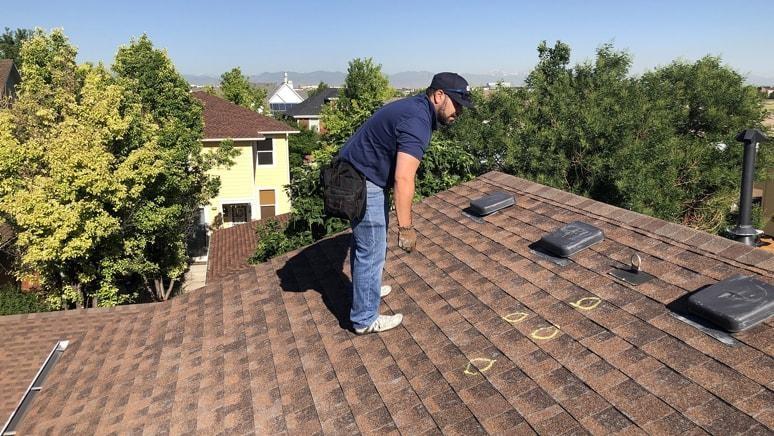

When it comes to home-related disasters, hailstorms are among the most significant concerns for homeowners living in Denver, Colorado, thanks to the weather in the state being notoriously unpredictable. Hail damage can sometimes be hard to see, but it has a serious effect on the integrity of your roof. Other times the damage is invisible, leading to problems that linger for years, which, left unaddressed, can cause leaks and mold — and expensive repairs.
This is also why hail damage roof repair needs to be a priority after the storm. A prompt response can stop water from entering further down the line, damage to your roof and avoid insurance issues. Whether it will only need some repairs or a complete restoration, fast response to hail damage will make sure that your roof is safe and functional.
If you seek a roof hail damage repair service in Denver or hail damage on roof systems and assistance regarding hail damage roof repair insurance claims, 303 Roofer is the best company to call. We are data driven roofers at Crossover construction and when it comes to hailstorm after care, make ready roof service and every other type of work that falls under it we always try to go for solutions in a way that is favourable cost wise to you.
A hail damage roof repair is a type of repair applied to roofs that have been damaged by hailstones. The category of harm varies from normal impact bruising on tiles to serious architectural injury Over time, hail poses a risk in terms of weathering roofing materials and damaging the integrity of the roof, which can lead to water damage. How much damage you actually have really depends on a couple of things, like the size of hail stones, how hard they fell, the age of your roof and what materials were used.
It can be difficult to identify hail damage on your roof. Some signs can be seen from the ground, but others may require a professional inspection. Here are some of the most common signs of hail damage homeowners should watch for:
Identifying hail damage on your roof can be difficult. Some clues are easily observed from the ground and some will need a professional inspection. Common signs of hail damage for homeowners to look out for include:
While asphalt shingles are one of the most popular types of roofing materials, they also have a high rate of hail damage. When hail impacts your roof, it can bruise or crack shingles. If you pat a bruised shingle, it typically doesn’t feel very firm or solid because the layer of asphalt under the fiberglass has been damaged. Cracked shingles serve the roof as a gateway of water and result in leaks.
Another sign of hail damage, particularly on asphalt shingles, is granule loss. Granules on shingles preserve the asphalt underneath from UV rays and wear patterns on roof wear. You can also spot granules in your home’s gutters or at the base of your home in the aftermath of a hailstorm. But it is an indication that your roof has suffered some damage and needs to be inspected by a professional.
If your roof contains metal, such as flashing, vents or gutters, check for dents or dings. These areas will generally be easier to spot and may show signs of impact damage in the wake of a hailstorm, depending on your roof specifics. While small dings on metal flashing or gutters won’t impact overall roof operation, they can affect your roof’s aesthetics as well its longevity.
If your roof is severely damaged, you may see some water getting into your house. Leaks can leave water stains on the ceiling or walls. Wet insulation, damaged drywall or stained ceilings above: If you see any of these signs you can be sure the protective layer of your roof has been breached by hail damage.
Repairing the hail-damaged roof, if not done on time can prove to be very expensive. And even minor damage can turn into major leakage and mold growth if not addressed promptly. Water seeping into the attic or walls can also ruin insulation, hike energy bills and cause wood rot.
Another significant reason that fast action is necessary to treat the damaged roofing materials is because its damage can weaken along with time. A hail damaged roof is more susceptible to damage in the next storm. What now seems like a little crack can turn into a gushing leak very quickly.
Hail damage can also be a consideration for your roof repair insurance claim. Many insurance policies require you to report damage within a specified time frame. Taking too much time before you file your claim might also make the coverage to be denied, or lessened. A roof inspection right after a storm helps you to assess the damage and ensures that your insurance claim gets filed on time.
There are many factors that determine the amount of hail damage to a roof. These include:
Size and density of hail: More significant damage is caused by bigger, denser hailstones than smaller ones. Harder hail creates more pronounced dents and cracks in roofing materials, but softer hail can do minor bruising.
Wind Speed And Direction Of The Storm: Wind-driven hail can cause greater damage, especially on roof edges and pitched areas. Hail can hit at an angle, making it more difficult for roofs to deflect the blow.
Roof Age and Material Condition: An older roof or one which is built from compromised materials will be more vulnerable to damage. The older roofing materials become, the less they absorb impact, meaning they’re often more likely to crack or come apart after a hailstorm.
Roofing Material: Hail affects various roofing materials differently. All types of roofing, including asphalt shingles, metal roofs, tile roofs and flat roofs are damaged in different ways and have a different repair process depending on the material.
Existing Wear or Storm Damage: If your roof has already experienced damage from prior storms, or is suffering from inadequate maintenance, it may be more susceptible to further damage in the next hailstorm.
Various types of roofs are susceptible to varied hail damage. Here’s how it impacts many of the most common roofing materials:
Asphalt Shingle Damage
Asphalt shingles are very susceptible to hail impact. Pitting, cracking, loss of granules and even rips can be caused by hail. In some cases, the damage is significant enough to require a complete replacement of the shingles in specific sections.
Metal Roof Damage
Metal roofs are more durable than asphalt roofing shingles, but they’re not immune to hail damage either. Hailstones are capable of creating dents, resulting in aesthetic or functional issues for the roof. But as a rule, metal roofs tend to resist hail better than other types of materials.
Tile Roof Damage
However, tile roofs are not immune to hail damage — this is especially true for clay and concrete tiles. Hail can shatter or crack tiles, which means the roof may be able to leak. When dealing with tile roofs, the repair process involves replacing broken tiles one at a time and can be tedious and costly.
Flat Roof Membrane Damage
Flat roofs, usually topped with a rubber or modified bitumen membrane, can suffer punctures or tears from hail. These areas should be patched soon so water cannot penetrate. Flat roof systems are especially susceptible because water can gather in low spots.
If your home or vehicle has been affected by hail damage, you need to follow a systematic approach while repairing it. Here’s a step-by-step look at how it works:
Initial Roof Inspection
This starts with a thorough roof inspection. A professional roofer will inspect every aspect of the roof, from shingles down to flashing and siding to gutters, to determine how bad the damage is. They will also look for signs of water intrusion in attics and interiors.
Damage Documentation
After identifying damage, proper documentation is essential if you plan to file an insurance claim. Photos, measurements and notes from the inspection will help determine the extent of repairs required.”
Temporary Protection if Needed
For example: If your roof is leaking, you may be able to tarp or seal it temporarily so that more damage does not occur before permanent repairs are made.
Insurance Claim Support
Most homeowners hope insurance will pay for roof repairs. A good contractor can help you get the documentation needed to get your insurance company to sign off on a claim.
Repairing or Replacing Damaged Materials
After the claim is processed, the roofers will repair it. Damaged shingles might be replaced, flashing will be resealed and other components returned to their original state. If there is extensive damage partial or full roof replacement may be required.
Final Inspection and Quality Check
A final inspection is done to ensure that the work has been done in accordance etc. and roof is secure after which repairs are completed. It allows the roof to prepare for the next storm.
How Much Does Hail Damage Roof Repair Cost? Everything depends on how severe your damages are, what kind of material you’d be using for roofing repairs, labor costs and if emergency services would need to be brought in. Minor repairs — such as replacing a few shingles — are going to be less costly than extensive repair work or full roof replacement.
Prices will also depend on local market prices and whether insurance coverage is implemented. Of course, the best way to get a read on how much hail damage roof repair cost you can expect in your area is to contact 303 Roofer and/or other professionals for quotes.
Most of the time, a hail damage roof repair will be covered under your homeowners insurance. But coverage is limited by your policy’s limits, known as deductibles, exclusions and depreciation. Always read your policy carefully and contact your insurance provider with any questions about coverage.
303 Roofer will guide you through the entire hail damage roof repair insurance claims process, including documenting the damage and collaborating with your insurance adjuster.
To file a claim, follow these steps:
Schedule A Roof Inspection: You should get a professional roof inspection to determine if any damages have occurred and document the damage.
Take Photos and Notes: Take pictures of the damage for your records and the insurance claim.
Call Your Insurance Provider: Contact your insurance company to initiate the claims process.
Surround Yourself with Pros: Have your roofer present at the time of the insurance inspection, so that all damage is noted.
Read the Scope of Repairs: Before any repairs are completed, it’s wise to make sure that you and your roofer agree on what damage has been assessed.
If hail does hit your roof, get it checked out and repaired. From small fixes to complete replacements, they can all help protect your home and avoid bigger problems in the future. For hail damage roof repair in Denver and inspection, reach out to 303 Roofer. Maintenance A home that needs repairs to maintain and quality service from the moment we contact you.
To ensure great service and a thorough check-up, call 303 Roofer today! Let us do what we do best — getting your rooftop in tip top shape so that it can withstand the next storm!


Although it is often overlooked, your roof is one of the most important parts of your home. It plays...