WRITTEN BY
Chris Kane
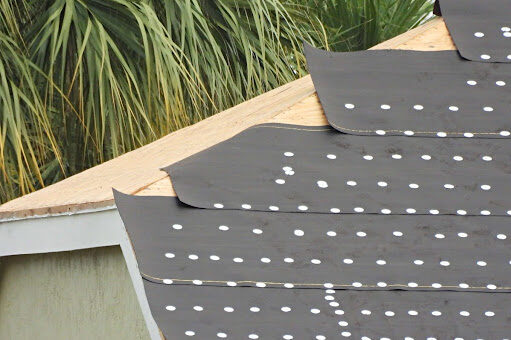

Are ice dams ruining your roof with dampness and seepage? Living in Denver, your home needs extra protection against the region’s extreme weather. That’s where roof underlayment can add an extra protective layer and give you the desired piece of mind. But what is this layer, and is it worth the hassle? This blog post tells you everything you need to know about roof underlayment.
Roof underlayment is a waterproof barrier that protects your roof and walls from collecting moisture. It also provides a firm base on which the shingles can rest.
Besides resisting moisture, roof underlayment has these benefits:
Most importantly, Denver’s International Building Code (IBC) requires you to install underlayment for roofing. Since it is weather-resistant, it may protect your roof from wearing down quickly.
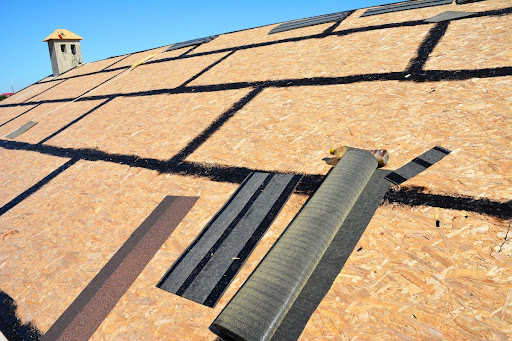
No, the roofing underlayment is not waterproof. It is water-resistant, though. It means it can keep your roof safe from leakage for a considerable time. However, it cannot prevent it altogether. You may need to replace or repair your roof underlayment because it might wear and tear.
To get the most out of this material, you must invest in the strongest and longest-lasting underlayment. For example, some self-sticking types can keep water at bay for a long time.
Felt is the most used roof underlayment in Denver because it is well-known and the cheapest. It is also called Felt paper or Tar Paper. It is saturated in the byproducts of crude oil, which is why it can resist water.
However, it’s not the most beneficial type of underlayment. It can break easily, doesn’t last long, and isn’t completely waterproof.
There are two alternatives: Synthetic underlayment and Rubberized Asphalt. Each has its benefits and risks.
It is becoming popular fast in your region because of these pros:
Besides its high cost, this roof underlayment doesn’t have any significant cons.
It’s also called Self-adhered underlayment because it has a sticky back. The adhesive makes the decks and the underlayment more water-resistant.
It feels rubbery because it has rubber polymers. This material is specially designed for the areas where rainwater can collect on the roofs. So, it is a good option for Denver residents.
You must consider several factors to choose the right underlayment for roofing. The most important considerations are:
You can calculate roofing underlayment in a few simple steps:
Important Consideration: Remember to include possible overlapping of the underlayment. It can happen because of your roof pitch.
An Easier Option: Call a roofing expert. They will save you from the hassle of doing everything by yourself. Also, you will get an accurate estimate without overthinking and over-buying.
You can maintain the underlayment material by doing these things:
If you live in Denver, you need one layer of roof underlayment. However, depending on the roof pitch, your roofer may advise you to add an “Ice and Water Shield.”
Felt Paper or Tar Paper is the most common material used for roof underlayment. It is well-known and cheap. Although it can resist moisture, it is not completely waterproof. Synthetic material is more water-resistant.
Roof underlayment can generally last up to 20 years. This is true of the Felt Paper material. Alternatively, Synthetic underlayment can last between 25 – 50 years. It is the better option for your permanent home.
Roof underlayment is necessary for Denver’s extreme weather conditions. While Felt is the most common type, Synthetic underlayment prevents ice dams and UV rays more. However, you must consider your roof material and budget before deciding on a type. Do you need an expert’s opinion on which material best suits your home? Book a free roof inspection with 303 Roofer today!


Although it is often overlooked, your roof is one of the most important parts of your home. It plays...