WRITTEN BY
Chris Kane
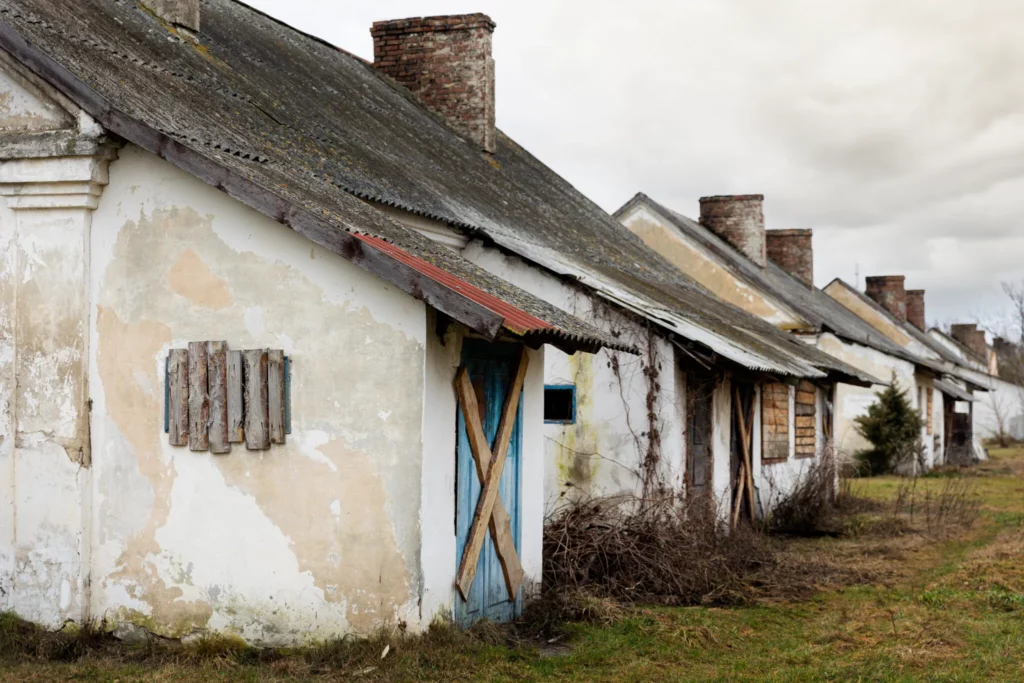

When the roof gets older, a common question homeowners often ask is how old their roof becomes uninsurable. While there’s no single age cutoff, many insurance companies start limiting or denying coverage on older, damage-prone roofs, often around 15–20 years for asphalt shingles, depending on condition and policy rules.
In this blog, our experts at 303Roofer explain what an “uninsurable” roof means, typical age limits by material, and what to do if your insurer won’t cover your roof.
A roof may be considered “uninsurable” when it’s past its expected lifetime, shows visible damage, or requires frequent maintenance for leaks. In these cases, an insurance company may refuse to cover the roof because the risk of damage is too high.
Older roofs are more vulnerable to water damage, mold, and shingle failure, which increases the likelihood of future claims. Insurers weigh these risks when deciding whether or not to issue or renew coverage.
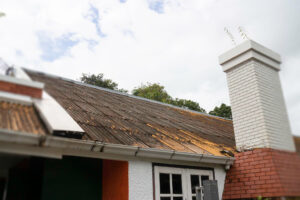
There’s no universal age that makes a roof uninsurable — it depends on the roofing material, its condition, and local weather. However, insurers often apply general guidelines:
It’s not just about age, even a newer roof can be denied coverage if it shows major issues. Common factors insurers look at include:
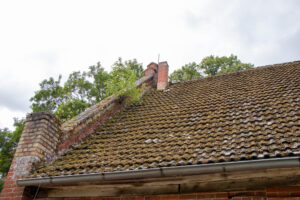
While an “uninsurable” roof doesn’t have a universal age, insurers often begin limiting coverage for asphalt shingle roofs after about 15–20 years, with stricter rules for flat roofs and more flexibility for metal or tile. Ultimately, condition and maintenance matter just as much as age.
For an accurate assessment of your roof’s insurability, contact 303Roofer in Denver. Our experts can inspect your roof, provide guidance, and help you make the best decision for protecting your home.
Can I get insurance with a 20-year-old roof?
It may be challenging with asphalt shingles, but if the roof is in good condition and well maintained, some insurers may still provide coverage.
Do insurance companies cover roof replacement?
Yes, if the damage is caused by a covered peril such as hail or fire. Normal wear and tear, however, is not covered.


Although it is often overlooked, your roof is one of the most important parts of your home. It plays...